
Raleigh's Life-Sciences Boom Is Running Out of Lab Space
Demand for specialized real estate has outstripped supply across the Triangle, forcing developers into a construction race with real consequences for the region's scientists.
The bottleneck in Raleigh's booming life-sciences sector is not talent or capital. It is square footage.
A shortage of benches
Specialized laboratory space — with its reinforced floors, redundant power and exacting ventilation — cannot be conjured overnight. As biotech firms expand, they are competing for a scarce inventory of buildings that meet their needs.
Developers have responded with a wave of speculative construction, converting office parks and greenfield sites into research campuses. Even so, the pipeline lags demand.
The cost of success
The squeeze has consequences. Young companies delay hiring while they wait for space; some decamp to cheaper metros. Rents have climbed to levels that would have been unthinkable a few years ago.
For a region that has staked its future on science, the message is clear: the hardest part of a boom is building fast enough to keep it going.
Related Stories
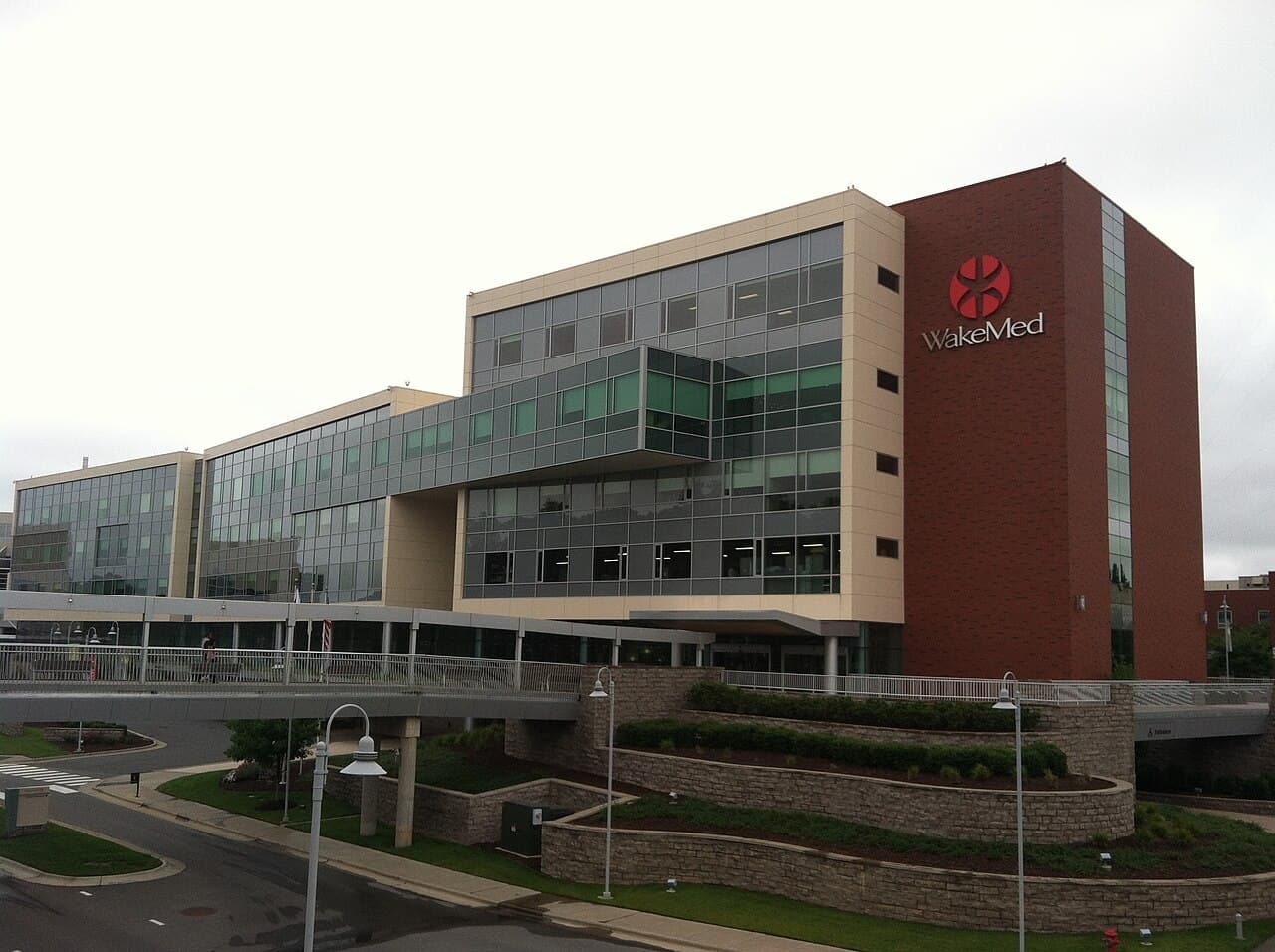
Wake Commissioners Back WakeMed's Combination With Atrium Health
After a five-hour hearing, the county board voted 5-2 to let the deal move forward, citing a revised offer with price-increase limits and a higher charity-care floor. State and federal review is not over.

A Navy Aircraft Repair Complex Opens in Kinston
Officials cut the ribbon on a Fleet Readiness Center East hangar at the North Carolina Global TransPark that will overhaul C-130s and HH-60W helicopters and bring more than 400 jobs to eastern North Carolina.
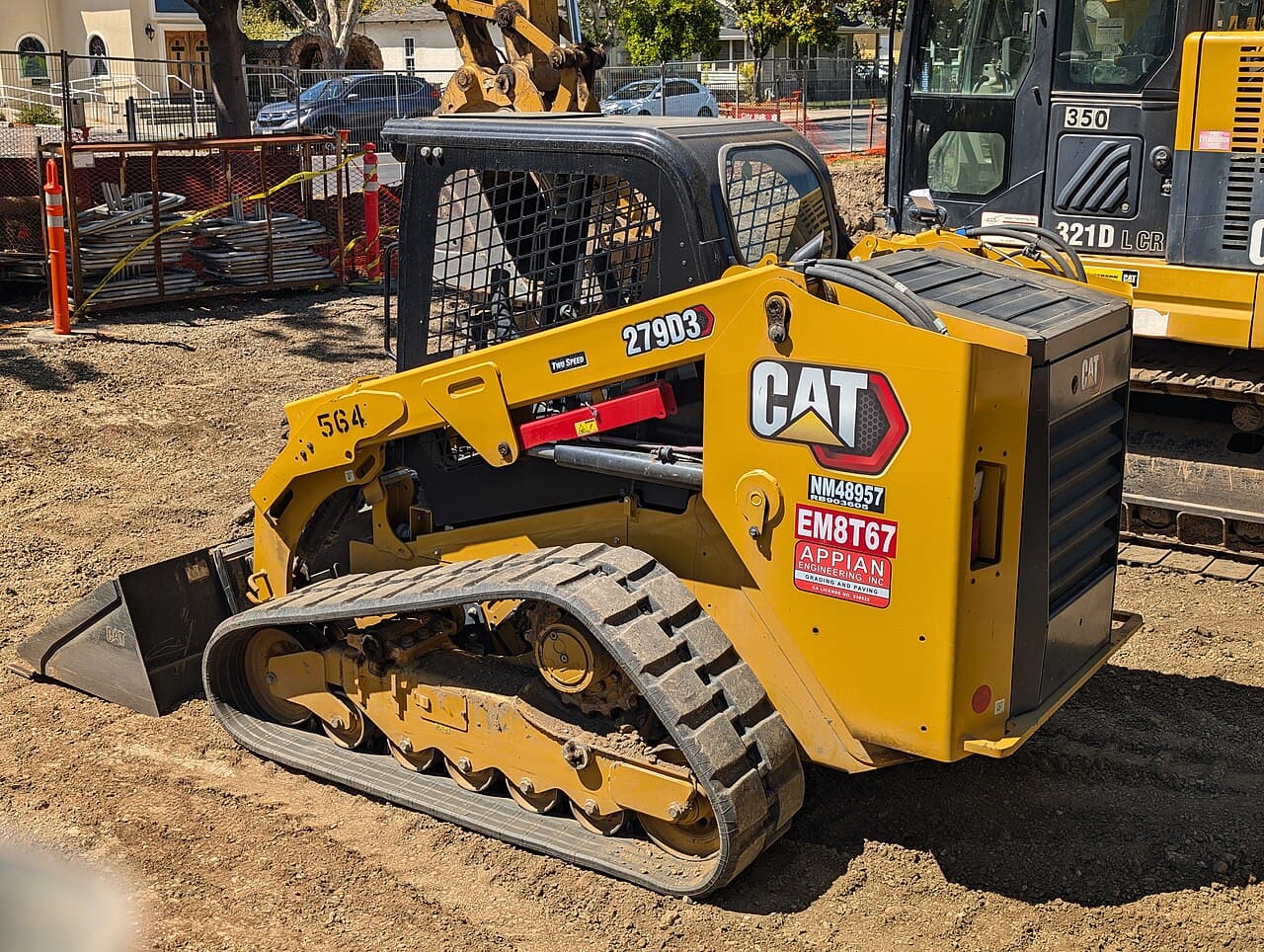
Caterpillar Commits $1 Billion to a New Sanford Plant
The heavy-equipment maker says a new Lee County factory will expand output of compact track loaders and telehandlers. It has not said how many jobs the project will create.